
The cultural significance of casinos in modern entertainment
Historical Context of Casinos
Casinos have long served as centers of social interaction and entertainment, with origins tracing back to ancient civilizations. The concept of chance and gaming can be found in cultures around the world, from Chinese dice games to Italian lottery systems. Over centuries, these gaming venues evolved, reflecting societal changes and technological advancements, ultimately paving the way for the modern casino experience. Today, players can explore unique games, such as Ice Fishing casino United Kingdom, which captures the excitement of live gaming.
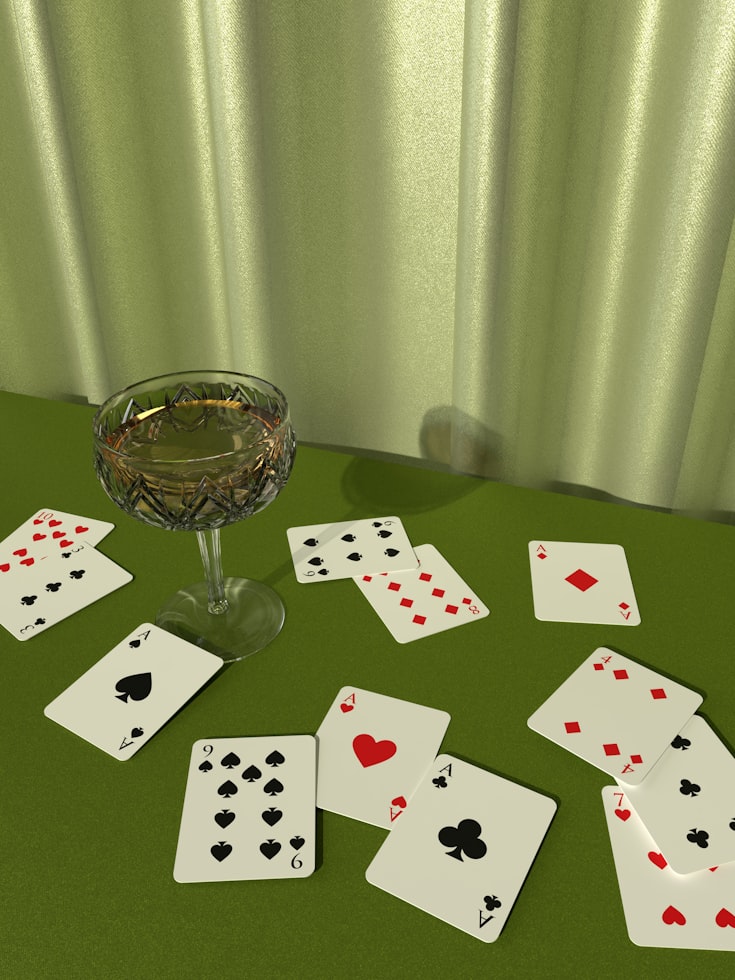
In the 20th century, casinos transformed into glamorous destinations, combining luxury with the thrill of gambling. This shift was particularly evident in places like Las Vegas and Monte Carlo, where casinos became synonymous with escapism and fantasy, drawing millions from around the globe. Their evolution highlights the interplay between societal norms and entertainment, showcasing how casinos can embody cultural identity and aspirations.
Casinos as Social Hubs
In today’s landscape, casinos function as more than just places to gamble; they are vibrant social hubs. People gather not only to try their luck but also to enjoy entertainment, dining, and live events. This aspect significantly enhances the communal experience, making casinos vital to local economies and tourism.
Moreover, the social interaction fostered in casinos transcends age and cultural barriers. Friends and families often visit these establishments together, creating shared memories and experiences. This communal aspect contributes to a sense of belonging, reinforcing the role of casinos as central figures in contemporary social life.
The Impact of Technology on Casino Culture
Advancements in technology have revolutionized the casino landscape, with online gaming and mobile apps making gambling accessible anytime and anywhere. This shift has broadened the audience for casino entertainment, attracting younger generations who seek convenience and innovation. The rise of virtual reality and live dealer games has further enriched the gaming experience, merging traditional gameplay with modern technology. Popular casino games explained have become more engaging due to these innovations.
These innovations have not only changed how people interact with casinos but have also influenced cultural perceptions of gambling. The integration of technology into gaming has made it a more mainstream activity, encouraging discussions about responsible gaming practices and promoting awareness of potential risks associated with gambling.
Casinos and Popular Culture
Casinos have permeated popular culture, influencing films, music, and literature. Iconic movies such as “Casino” and “Ocean’s Eleven” have romanticized the casino lifestyle, while songs often reference the allure of gambling. This portrayal shapes public perception, making casinos not just venues for gaming but also symbols of luxury and excitement.
Furthermore, the integration of casino themes in entertainment has led to the emergence of gaming-centric events and shows, increasing their cultural footprint. These representations illustrate how casinos serve as a backdrop for storytelling, reflecting societal values and the human experience in the context of risk, reward, and chance.

Conclusion: The Role of Casinos in Modern Entertainment
In conclusion, the cultural significance of casinos in modern entertainment is multifaceted, intertwining history, social interaction, technological advancements, and popular culture. They are dynamic spaces that encapsulate the thrill of chance while serving as important social venues.
As the entertainment landscape continues to evolve, so too will the role of casinos, adapting to meet the demands of a changing audience while remaining integral to the cultural fabric of society. Understanding this significance not only enhances appreciation for these establishments but also informs discussions around responsible gaming practices and community involvement.