
The psychology behind risk-taking in gambling decisions
The allure of gambling and risk-taking behavior
Gambling has long fascinated people due to its inherent unpredictability and potential for reward. This attraction is deeply rooted in human psychology, as risk-taking can provide a rush of adrenaline that many find exhilarating. The thrill of uncertainty often fuels a desire to engage in gambling activities, where the possibility of winning can overshadow the reality of losing. This exhilarating risk often becomes a key motivator for individuals, drawing them into environments like casinos where the stakes can be high. For more insights into this captivating realm, visit https://casoolacasino-me.com/en-en/.

Additionally, social factors play a significant role in gambling behavior. Many people are influenced by their peers, finding themselves more willing to take risks when others around them are engaged in similar activities. This phenomenon is known as social proof, where individuals feel encouraged to join in on the excitement, believing that if others are participating, there must be some merit to it. Consequently, the social dynamics within a gambling environment can amplify the desire to engage in risk-taking behavior.
Moreover, the design of gambling venues contributes to the allure of risk-taking. Casinos are meticulously crafted to create an environment that stimulates excitement, often featuring bright lights, engaging sounds, and the scent of fresh food. This sensory overload can lead to heightened emotional states, encouraging individuals to take bigger risks than they might otherwise consider. This psychological manipulation reinforces the connection between risk-taking and reward, making individuals more likely to gamble beyond their means.
The role of cognitive biases in gambling decisions
Cognitive biases heavily influence the decision-making process in gambling. For instance, the illusion of control is a prevalent bias where individuals believe they can influence outcomes in games of chance, such as dice rolls or card games. This false sense of control can lead gamblers to make irrational decisions, underestimating the randomness inherent in these games. The belief that skill can triumph over luck often entices individuals to take risks that are not warranted, particularly at Casoola casino.
Another significant bias is the gambler’s fallacy, where individuals believe that past events influence future outcomes. For example, a player might think that a slot machine is ‘due’ for a payout after several losses. This fallacy can lead players to engage in riskier betting behaviors, convinced that their chances of winning are increasing. Understanding these cognitive biases is essential for recognizing why individuals often make poor decisions in gambling scenarios, despite evidence suggesting otherwise.
Emotions also play a critical role in gambling decisions, further exacerbated by cognitive biases. When individuals experience excitement or anxiety, their ability to think rationally can diminish. This emotional interference can lead to impulsive betting and increased risk-taking behavior. As emotions fluctuate during the gambling process, players may find it challenging to stick to pre-set limits, increasing the likelihood of significant losses.
The impact of rewards on gambling behavior
Reward systems are fundamental to the psychology of gambling, with positive reinforcement playing a crucial role in encouraging risk-taking. When players win, their brains release dopamine, a neurotransmitter associated with pleasure and reward. This pleasurable sensation can create a feedback loop, motivating individuals to continue gambling in hopes of replicating that rewarding feeling. The anticipation of winning, even if infrequent, can overshadow the reality of losses, perpetuating a cycle of risk-taking.
The timing and magnitude of rewards also influence gambling behavior. Immediate rewards can be particularly powerful, as they provide instant gratification that reinforces the behavior. This phenomenon is evident in slot machines, where small wins are often frequent, creating a sense of ongoing success. The design of these machines is intentional, incorporating features that enhance the illusion of winning, making players more likely to engage in further risk-taking.
However, the unpredictability of rewards can lead to compulsive gambling behavior. Players may chase losses, believing that a significant win is just around the corner. This chasing mentality can result in greater financial risk as individuals attempt to recover losses through increasingly reckless betting. Understanding the psychology behind these reward mechanisms is crucial for recognizing why some individuals struggle with gambling addiction, as the cycle of reward and risk becomes increasingly difficult to break.
The significance of luck versus skill in gambling
The debate between luck and skill is central to many gambling decisions. In games of chance, such as slots or roulette, luck plays an undeniable role, with outcomes primarily dictated by random number generators. In contrast, skill-based games like poker or blackjack require strategic thinking, decision-making, and an understanding of probability. This distinction influences how individuals perceive their chances of success, often leading to differing attitudes toward risk-taking.
Players who believe that skill is essential may take a more calculated approach to gambling, focusing on strategies that maximize their chances of winning. These players often engage in thorough analysis and preparation, equipping themselves with knowledge about the game and its dynamics. Conversely, those who view gambling as primarily luck-based may be more impulsive, taking risks without consideration of the odds. This divergence in perception significantly impacts the likelihood of sustained engagement in gambling activities.
Ultimately, the balance between luck and skill can shape a player’s experience and decisions. Understanding one’s own perspective on these elements can lead to more informed choices and potentially mitigate some of the risks associated with gambling. This awareness is vital for fostering responsible gambling behaviors and ensuring that individuals engage in gaming activities with a healthy mindset.
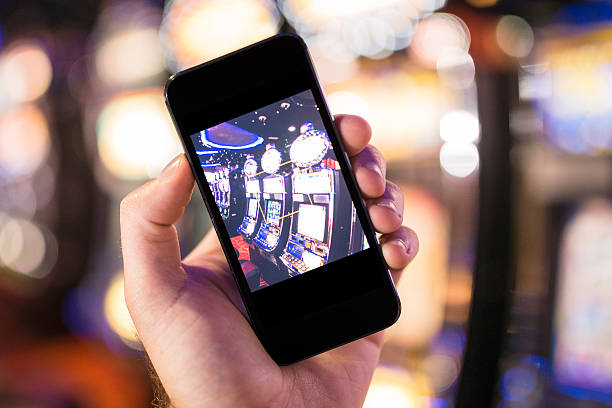
Casoola Casino: A responsible gaming platform
Casoola casino exemplifies a commitment to providing a safe and engaging online gaming environment. Designed with the player’s experience in mind, it offers a wide array of games that cater to both casual players and experienced gamblers. With an emphasis on responsible gaming, Casoola incorporates tools that allow players to monitor their gambling habits, set limits, and seek support if needed. This focus on player welfare is crucial in fostering a safe atmosphere for risk-taking.
The platform recognizes the psychological factors at play in gambling and aims to promote healthy engagement. By offering extensive resources on responsible gaming practices, Casoola helps players understand the psychological underpinnings of their decisions and encourages mindful participation. This initiative is essential for ensuring that gaming remains an enjoyable experience rather than a detrimental pursuit.
In summary, understanding the psychology behind risk-taking in gambling is crucial for both players and operators. Casoola stands out in the online gaming landscape by prioritizing player safety and awareness. By addressing the psychological aspects of gambling, the platform fosters a community where entertainment and responsibility coexist, making it a preferred choice for those looking to engage in a safe and enjoyable gaming experience.